
This article provided by Cornelis Kolijn, our well seasoned expert on coal / coke and
steelmaking, describes the transition that Algoma is currently making with the very
obvious confidence that this sh*t works, is well worth the read.
SooToday - David Helwig - January 14, 2026
‘End of an era’: Cokemaking shutting down for good at Algoma Steel. When coke ovens near Pittsburgh closed in 2016, there were large, immediate drops in emergency department visits.
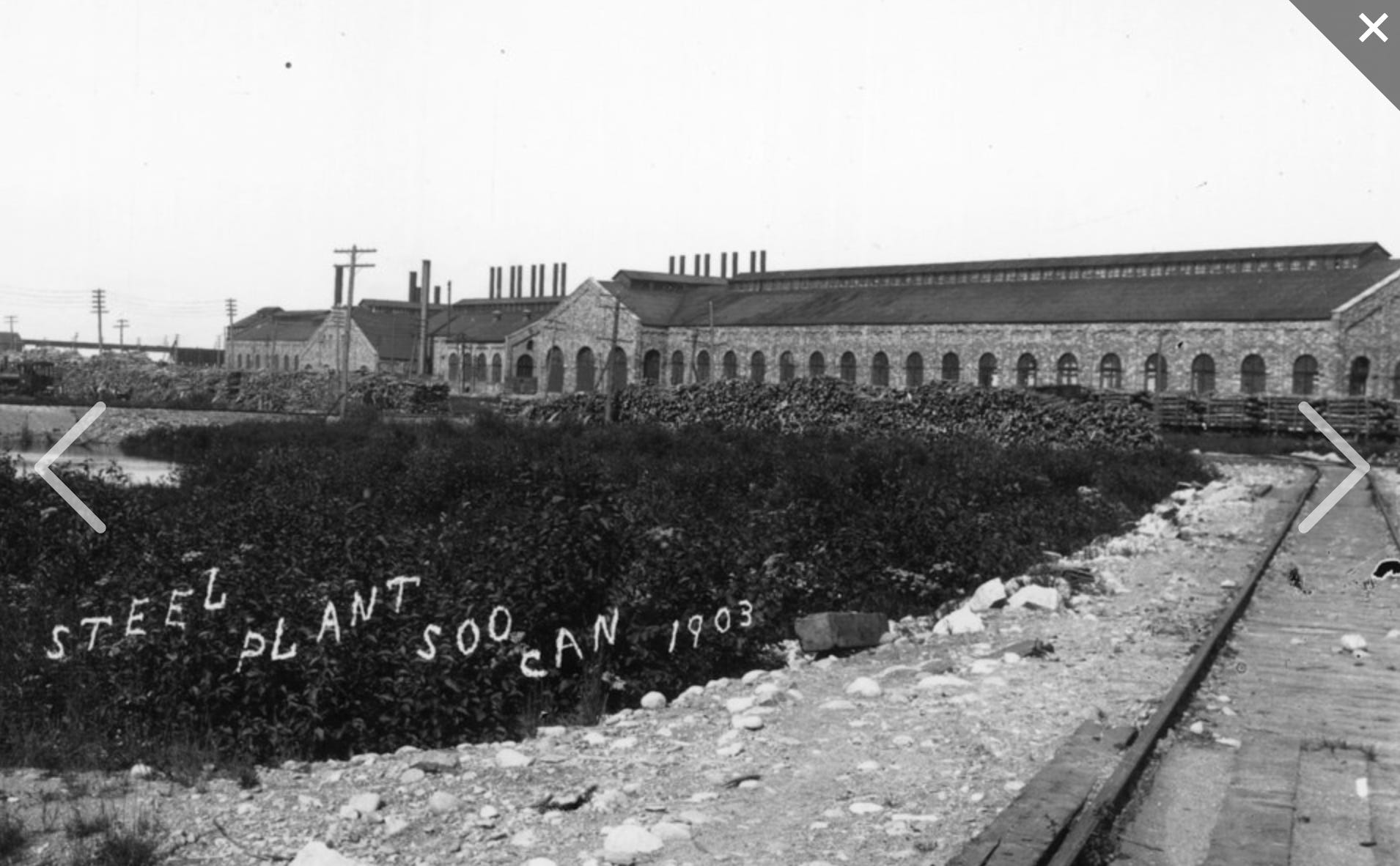
Algoma Steel as photographed in 1903. At the time, the company made steel using a Bessemer converter. The era of blast furnaces fueled by coal or coke started the following year.
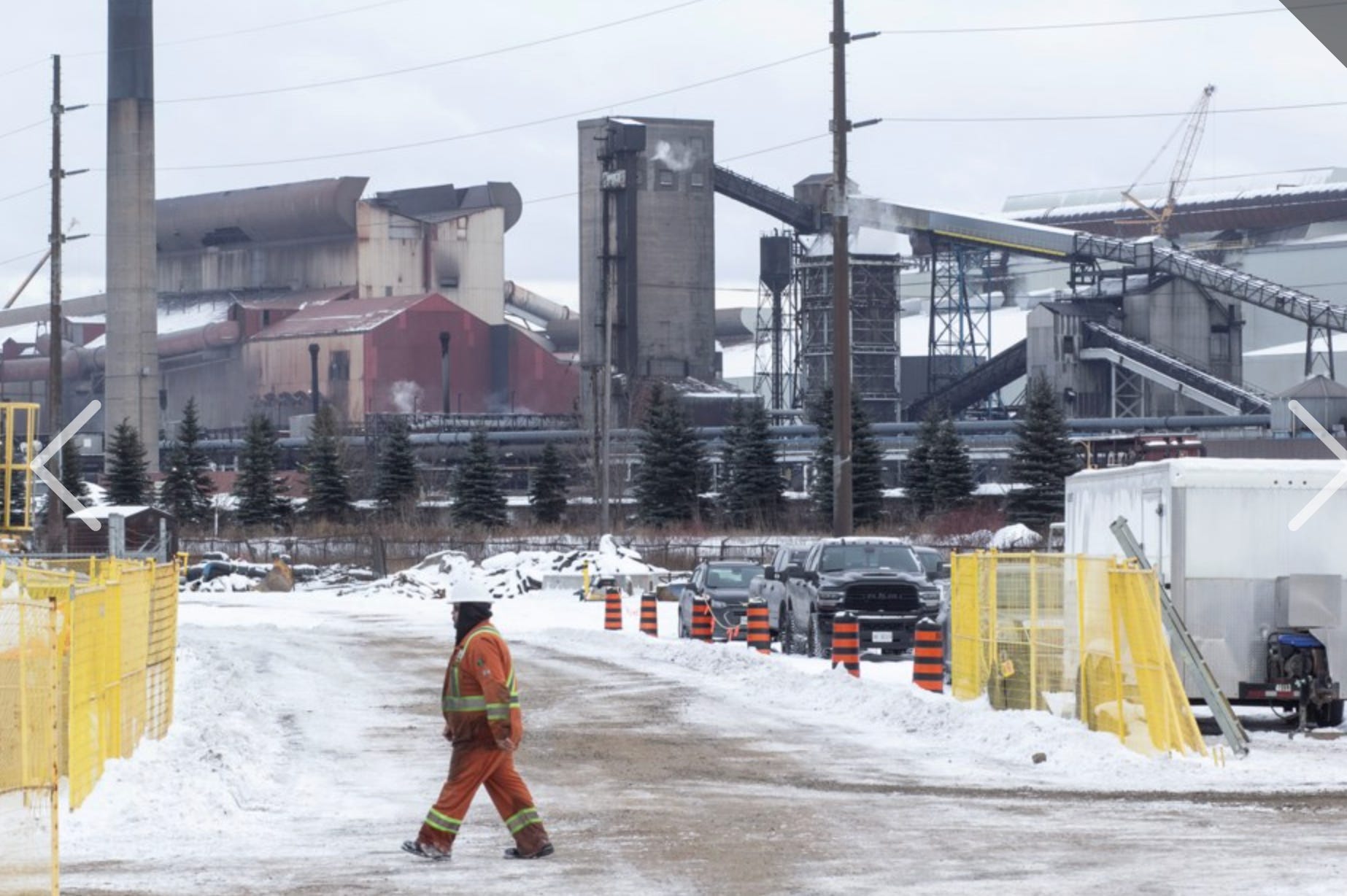
A 122-year tradition of making steel using blast furnaces and coal/ coke is
coming to an end today at Algoma Steel.
“The shutdown of our primary operations commenced today with our cokemaking
assets,” Laura Devoni, vice-president for human resources and corporate affairs,
tells SooToday.
“The shutdown of ironmaking and basic oxygen furnace steelmaking assets will follow in the next few days,” Devoni says.
“We have a dedicated project team engaged to ensure the asset decommissioning is
completed safely.
“This marks the end of an era in Algoma Steel’s 125-year history as a conventional
integrated steel producer and the beginning of the next chapter where we produce
only electric arc furnace (EAF) steel.
“This transition will reduce our environmental footprint, with an expected reduction of three million metric tonnes of carbon dioxide annually.
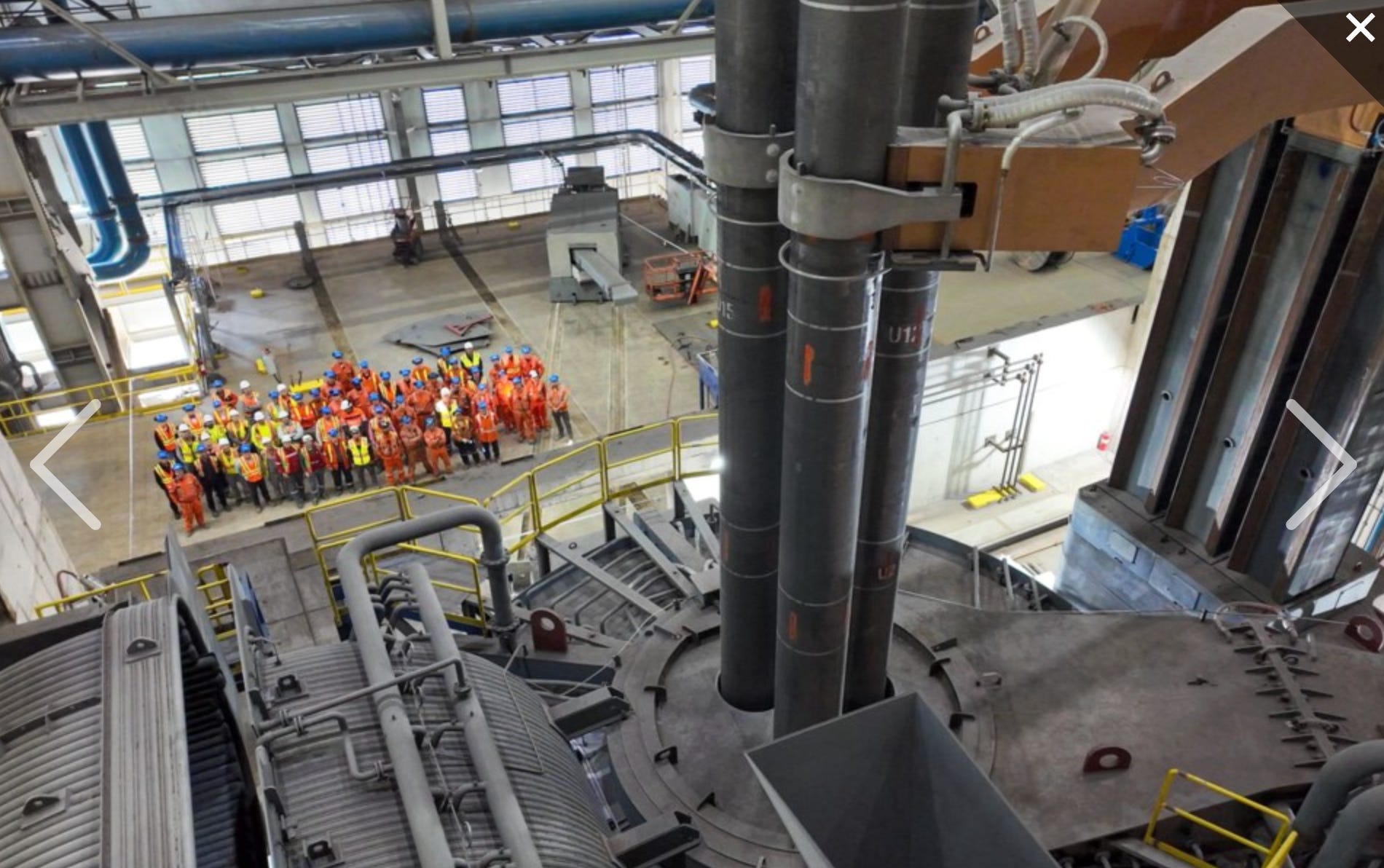
“Today we are producing sustainable steel from EAF #2 which began production in
the summer of 2025, while construction of EAF #1 continues.
“We expect both furnaces to be fully operational later this year,” Devoni said.
When the company started making steel in February 1902, it used a Bessemer
converter – a process for mass-producing steel from molten pig iron by blowing air
through it to extract excess carbon and other impurities.
Algoma’s first blast furnace was fired up in 1904. Without access to local coal, the
steelmaker initially had to import coal and coke from the United States to fuel its
blast furnaces. Construction on Sault Ste. Marie’s first coke ovens started in 1909.
In this case, coke (with a small ‘c’) is neither a soft drink nor a recreational drug.
Made by heating coal or petroleum in the absence of air, coke is a refined porous,
carbon-rich material used to manufacture steel.
Coke makes blast furnaces hotter. When burned, it also reduces oxides in iron ore, leaving behind pure iron.
A coke battery is a series of coke ovens stacked in rows.
Coal is loaded into the ovens and processed into coke.
As SooToday’s Mike Purvis reported last month, Sault Ste. Marie residents could
notice significant health effects almost immediately after the coke ovens go dark.
After the Shenango Coke Works west of Pittsburgh closed in 2016, the area
experienced a 42-per-cent decrease in emergency department visits for
cardiovascular issues, a 41-per-cent drop in pediatric asthma issues and an overall
decrease in respiratory ED visits of 20.5 per cent.
“Even knowing what I know about air pollution, I knew that there would be some
benefit, but I never imagined it would be as large as it was,” said George Thurston, a
professor at New York University’s Grossman School of Medicine.
Algoma Steel describes its transition to electric arc steelmaking as the “single
largest decarbonization project in Canada.”
In addition to a 70-per-cent drop in CO2 emissions, Algoma Steel also expects
substantial reductions in benzene, benzo(a)pyrene, particulate matter, and sulfur
dioxide emissions.
why is your formatting so shitty.